




THE ZINE PROJECT
everything to know
about zines &
our initiative


What is a zine?



A zine is a self-made or collaboratively made, handmade booklet, often self-published. It’s created out of passion rather than for profit, usually representing anything and everything.
Originally “fanzines”, they are a do-it-yourself (D.I.Y) creative and expressive project, typically produced by hand and then photocopied. As mentioned before, zines cover about anything and everything—all the way from niche topics, art and politics, and personal narratives and stories.


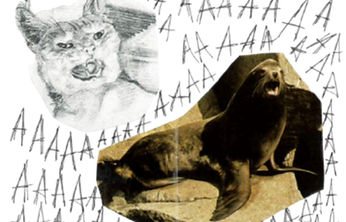
wut is a zine lol
cat videos
A Short History of Zines
The history of zines dates back to the 1920s and the 1930s. Early fanzines were small, self-made magazines that were commonly created and shared by science fiction fans. The science fiction community shared stories, art, and commentary through these fanzines.
During the social and political movements of the 1960s, artists used mail art and correspondence zines to connect with their fans beyond traditional institutions.
Throughout the 1970s, zines had become closely tied to punk culture. The zines centred around a D.I.Y. approach, while being bold and unapologetic, which made them even more punk and authentic. The zines used shocking, complex, and chaotic imagery to match punk’s rebellious-
During the late 1970s and 1980s, zines had gained the attention of many underground movements, as they had been a medium to disseminate political and sociocultural revelations. They had also gained more attention during the punk rock movement because they had become a key medium for alternative cultures and underground communities. Zines became powerful tools for queer and feminist communities; movements like Riot Grrrl used zines to openly talk about issues of power dynamics, feminism, gender and women’s issues. Feminist punk zines often drew on and overlapped with the queercore movement pioneered in Toronto’s zine, music, and underground film cultures in the mid-1980s.


Ever wondered where zines originated from? Well... here's a timeline ranging from the 1930s to the present.
In the 1990s, zines had now established their presence and occupied a space in underground communities and movements; they were still frowned upon by many political and traditional regimes that considered artistic expression and freedom of expression a threat to social order and ideological control. However, many niche groups that harboured social power, like many art galleries, libraries, and museums, integrated this new revolutionized art form, blurring the line between underground culture and formal art spaces.
In the early 2000s, zines continued to provide a platform for voices often marginalized by mainstream media. A variety of artists utilize this medium to build communities-
style, ultimately helping music artists and punk bands to promote their music, initiative, aesthetic, and identities.

Kathleen Hanna with Billy Karren, Tobi Vail, and Kathi Wilcox, Bikini Kill, no. 2, 1991. Photo: David Vu.
Images from—Copy Machine Manifestos: Artists Who Make Zines, organized by Branden W. Joseph and Drew Sawyer, Brooklyn Museum


and uplift identities through open calls and contributions. Individuals may use zines to express their thoughts, stories, and experiences freely, authentically, and without institutionalized constraints.
In the present day, artists from queer and feminist communities have begun using zines in their art to bring accessible, community-focused ideas into the art realm. They also organized open calls, events, fairs, and travelling exhibitions to connect people and share zines beyond major cities, eventually fostering a sense of community and shared identity through a variety of styles and genres.

Linda Simpson (AKA Les Simpson), My Comrade, no. 1, 1987Collection Steve Lafreniere, courtesy Arthur Fournier, photo Brooklyn Museum, Evan McKnight

Maggie Lee, Punk Party 93, 2020 Collection the artist

Joey Terrill, Homeboy Beautiful, no. 1, 1978ONE Archives at the USC Libraries

Mark Morrisroe and Lynelle White, Dirt, fifth issue, 1975/1976. © Estate of Mark Morrisroe.


WHAT IS THE ZINE PROJECT?
Our initiative and project


Hardships are difficult to endure, especially when you feel alone, silenced, or isolated. Youth especially need the most support to help them heal from past incidents and navigate through their emotions in healthy ways. Through this project, our team wishes to tell a story of resilience, creativity, and connection.
Through the artistic creation of zines, whether they are in a workshop or not, we hope to provide a safe space for youth, and Indigenous youth, to express their stories, identities, and most importantly themselves. Each zine becomes a voice, or rather, a representation of struggles, healing journeys, and hope. Ultimately, a reflection of self-expression, not just through words, but symbols, colours, shapes, and images that resonate with the individual.
This section is the story WE wish to tell through our project; however, we wish to highlight YOUTH stories through our project, indefinitely. Our project is one of empowerment and expression: essentially helping individuals see that their voices matter, their stories are worth sharing, and that they are not alone through their separate healing journeys.
Through this website and Facebook page, we provide you with the tools, resources, and information you need to guide and inspire you in the realm of zines.


Zines, Zines, ZINES!


Clubs, festivals, and fairs
Wondering where to find more zines in physical spaces? Here are a couple of upcoming fairs and clubs in Canada that share the same love for zines :)
Kitchener - Waterloo Zine Topia
Monthly zine meetup on the third Tuesday every month @whoopsiedaisydrinks (Instagram), to talk & make zines together!✂️ Supplies provided (but we're never opposed to seeing what cool new materials you’ve got).
Join us for zine-making, reading, and exploring all the joys of print, plus some yapping AND delicious treats & beverages from our lovely hosts! Looking forward to seeing you in 2026
Next meetup: April 21, 6-8 pm @whoopsiedaisydrinks (Instagram)


the ottawa small press book fair spring 2026 Edition
“once upon a time, way way back in October 1994, rob mclennan and James Spyker invented a two-day event called the ottawa small press book fair, and held the first one at the National Archives of Canada...” Spyker moved to Toronto soon after our original event, but the fair continues, thanks in part to the help of generous volunteers, various writers and publishers, and the public for coming out to participate with alla their love and their dollars.
Saturday, June 20, 2026, in the Main Hall of the Glebe Community Centre, 175 Third Avenue (at Lyon St. S)
The Ottawa Small Press Book Fair —noon to 5 pm (opens at 11 am for exhibitors)

Expozine 2026 - Montreal
Expozine 2026, the 25th annual edition of Montreal's international independent publishing festival, will take place in November 2026.
In the meantime, Expozine and the ARCMTL archive centre will be organizing activities all through the year, starting with Owning Our Histories: a series of ten free events taking place until March 29, celebrating how Montreal’s queer and BIPOC communities create, share, and preserve their own histories through zines, oral traditions, grassroots collections, and independent publishing.
Expozine 2026: November 2026 TBD

inspire yourself
Inspiring yourself by looking at what others have created can get the ball rolling on your own design. The Internet Archive offers lots of things, from videos, pictures, and zines! Take a look, and broaden your horizon on your knowledge of zines. Click Me
